By Dylan Bruck, Plantlife Cannabis Education
If you’ve ever stood in front of a vape wall and frozen, unsure whether you need a battery, a pod, or something that just works out of the box, this is the guide for you. Here’s exactly what separates the three formats, what each one costs you over time, and how to figure out which fits the way you actually use it.
The Short Answer
There are three main cannabis vape formats in Alberta’s legal market: 510 thread cartridges, pod systems, and disposable vapes (also called all-in-one vapes or AIOs). The core functional difference is the battery. 510s use a universal rechargeable battery compatible with nearly any LP’s cartridge; pod systems use a brand-specific battery that only works with that brand’s pods; disposables have the battery built in.
For cost, 510s deliver the lowest per-gram price once you’ve bought a battery, disposables cost the most per gram because you’re buying a new battery every time, and pod systems sit in the middle. If you want variety and long-term value, 510s are the strongest choice; if you want optimized device performance and a sleeker setup, look at pod systems; if you want zero setup and maximum convenience, disposables are the simplest entry point.
The extract inside the cartridge, whether distillate, live resin, live rosin, or full-spectrum, is the biggest factor in your experience across all three formats. Format shapes cost, convenience, and device features. It doesn’t determine what you’re inhaling.
Understanding the Three Main Formats
510 Thread Cartridges (The Universal Standard)
The 510 thread is the universal standard in cannabis vaping, named after its threading specifications (10 threads at 0.5mm pitch). This format uses a separate rechargeable battery and interchangeable cartridges. You buy a battery once, then purchase cartridges from any licensed producer using 510 threading, which is the majority of them.
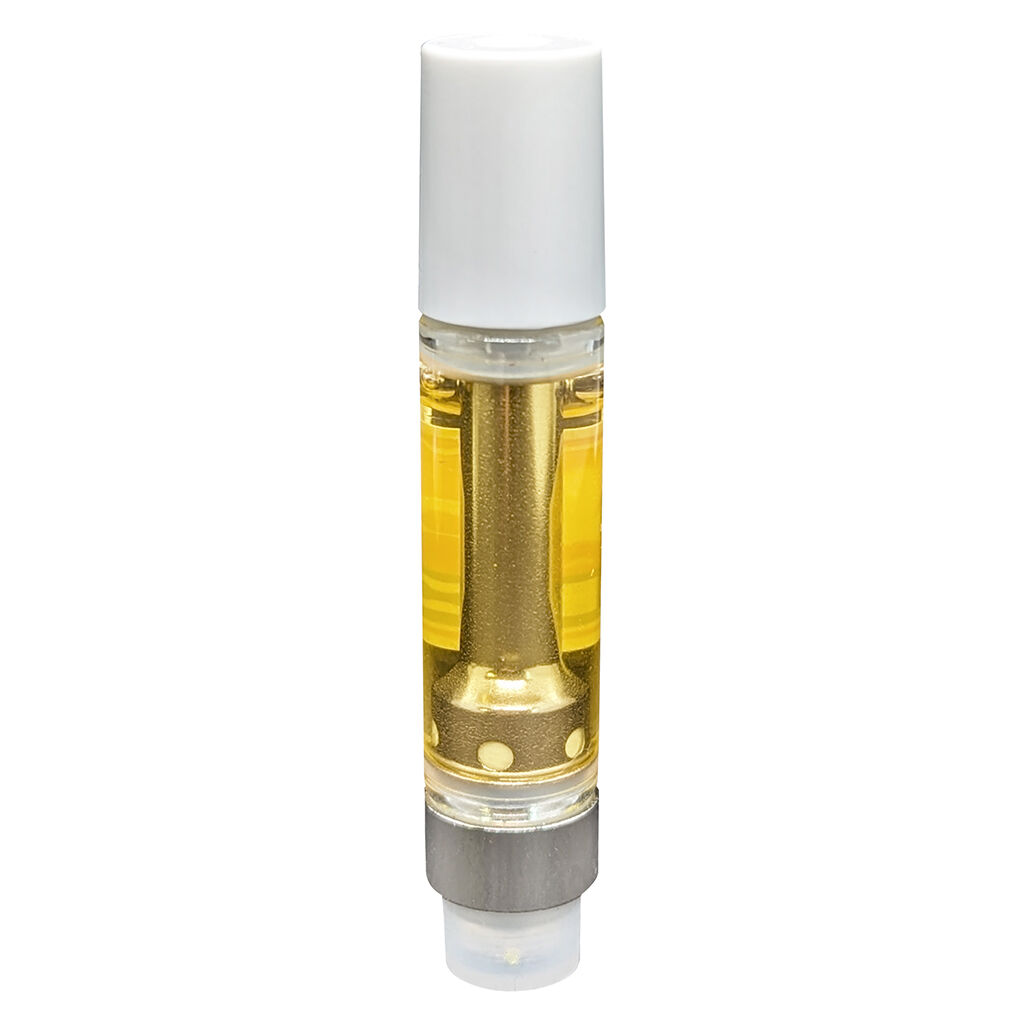
The cartridge holds cannabis oil and a heating element (coil). When you attach it to the battery and activate the device, the coil heats the oil and produces a vapour you inhale. Most cartridges come in 0.5g or 1g sizes with standardized threading that fits any 510 battery.
This format dominates the Canadian legal market because it offers maximum choice with minimal long-term cost. You’re not locked into one brand’s ecosystem. If one LP’s cartridge doesn’t work for you, switch to another without buying new hardware.
Pod Systems (Brand-Specific Optimization)
Pod systems use proprietary formats where the battery and pods are designed together by a single brand. PAX Era pods only work with PAX Era batteries. You can’t use a PAX pod on a different brand’s battery, and you can’t use another brand’s pods on a PAX battery. Other pod systems found in the Alberta market include STLTH and various LP-specific proprietary formats.
The advantage is optimization. Because the hardware and pod are engineered together, brands can fine-tune performance, vapour quality, and user experience. Many pod systems offer sleeker designs, app connectivity, and precise temperature control.
The disadvantage is limited selection. You’re restricted to products available in that brand’s pod format. If your preferred LP doesn’t produce pods for your system, you’re out of options.
Disposable Vapes (All-in-One Convenience)
Disposable vapes combine battery, oil, and heating element in a single unit. They come pre-charged and ready to use. When the oil is depleted, or the battery dies, you dispose of the entire device.
No maintenance, no cartridge swapping. Disposables offer maximum convenience and are a common way to try a new cultivar or terpene profile without committing to a full cartridge. Most disposables now include a USB-C or micro-USB charging port, so if the battery runs low before the oil is gone, you can recharge and finish it.
The tradeoff is cost and environmental impact. You’re paying for a new battery with every purchase, which drives up per-gram costs considerably over time.
Format Comparison
| Feature | 510 Cartridges | Pod Systems | Disposables |
|---|---|---|---|
| Hardware Cost | $20-60 (battery) | $30-70 (battery) | $0 (included) |
| Cartridge Cost (0.5g) | $25-40 | $30-45 | $30-50 |
| Cost Per Gram | Lowest | Moderate | Highest |
| Product Variety | Highest (all LPs) | Limited (brand-specific) | Moderate |
| Brand Flexibility | Full (any 510 cartridge) | None (locked to brand) | Full (buy any disposable) |
| Maintenance | Low (charge battery) | Low (charge battery) | None |
| Portability | Moderate | High (sleek design) | High (single unit) |
| Discretion | Moderate | High | High |
| Battery Lifespan | 6-12 months typical | 6-12 months typical | Single use |
| Environmental Impact | Lowest | Moderate | Highest |
| Customization | High (voltage, preheat) | Very High (temp control, apps) | None |
| Learning Curve | Minimal | Minimal-Moderate | None |
| Best For | Variety, value, flexibility | Optimized performance | Convenience, experimentation |
510 Thread Cartridges: A Closer Look
How 510 systems work
You purchase a rechargeable battery once, then buy cartridges as needed. Cartridges screw onto the battery with standard 510 threading. Most batteries charge via USB and last hundreds of uses before needing replacement.
Battery features to consider
Basic features (all 510 batteries):
- 510 threading compatibility
- USB charging
- Battery capacity (typically 280-650mAh)
- LED indicator (charge level, activation)
Common upgrades ($30-60 range):
- Variable voltage (adjust vapour production and flavour)
- Preheat function (warms oil to prevent clogging, useful in Alberta winters when oil thickens in the cold)
- Longer battery life (use multiple cartridges per charge)
- Better build quality (metal vs. plastic body)
- Button or draw activation options
Advanced features ($50+):
- Precise voltage control
- Dual cartridge capability
- Digital display (battery life, voltage setting)
- Haptic feedback
- Premium materials (stainless steel, brass)
If you’re not sure which battery pairs best with the extract you’re buying, your budtender can steer you in the right direction.
Cartridge variety
The 510 format offers the widest product selection in the Alberta market. Nearly every licensed producer makes 510 cartridges. You’ll find:
- Distillate and liquid diamond cartridges (high THC, most affordable)
- Cured resin, live resin, and live rosin cartridges (full terpene and cannabinoid profile, no additives)
- Broad-spectrum and full-spectrum options (may combine extract types)
- High-CBD options (balanced ratios or CBD-dominant)
- Cultivar-specific profiles (strain-matched or cultivar-sourced terpenes)
- Flavoured options (botanical terpenes or flavour additives)
Pros and cons
Advantages:
- Lowest cost per gram after battery investment
- Maximum product variety and LP choice
- Battery reusable for months or years
- Most common format, easy to find
- Replace battery or cartridge independently
Disadvantages:
- Upfront battery investment required
- Need to charge battery regularly
- Basic batteries lack advanced features
- Two-piece system is slightly less portable
- Quality varies between cheap and premium batteries
Best for: Regular consumers who want variety; budget-conscious buyers; anyone who enjoys exploring different LPs and extracts without committing to a single brand ecosystem.
Pod Systems: A Closer Look
How pod systems work
Purchase a brand-specific battery, then buy pods designed for that system. The pod clicks or magnetically attaches to the battery. When the pod is empty, dispose of it and insert a new one. The battery charges via USB and is reused.
Common pod systems in the Alberta market
- PAX Era (established ecosystem, wide LP support)
- STLTH (popular format, cannabis pods available)
- Other LP-specific proprietary systems
Availability varies by location. Check with your retailer about which systems and pods they carry.
Pod system features
Standard features:
- Magnetic or click-fit pod attachment
- Draw-activated (no button)
- USB charging
- LED indicator
- Sleek, discreet design
Advanced features (varies by brand):
- Precise temperature control
- Smartphone app connectivity
- Dose tracking and session monitoring
- Haptic feedback and lock features
- Pod authentication
Pros and cons
Advantages:
- Hardware and pod engineered together (optimized performance)
- Sleeker, more discreet designs
- Often better vapour quality than basic 510 setups
- Advanced features (app control, temperature precision)
- Magnetic attachment easier than threading
Disadvantages:
- Limited to pods made for your specific system
- Fewer LP options than 510 format
- Cannot switch brands without buying new hardware
- Pods sometimes more expensive than comparable 510 cartridges
- Discontinued systems can leave you stranded
Best for: Users who prioritize device experience; people who value sleek, discreet design; consumers happy with a specific brand’s pod selection.
Disposable Vapes: A Closer Look
How disposables work
Disposables arrive ready to use. No charging, no setup. The battery, oil, and heating element are sealed in one unit. Inhale to activate. Most disposables now include a charging port, so if the battery runs low before the oil is gone, you can plug in and finish it.
Disposable varieties
Disposables come in similar extract varieties as cartridges: distillate, liquid diamonds, cured resin, live resin, live rosin, and full-spectrum options. Sizes range from 0.25g to 1g or more. The format doesn’t limit extract quality. A live rosin disposable contains the same quality oil as a live rosin 510 cartridge. The difference is the hardware and packaging, not what’s inside.
Pros and cons
Advantages:
- Zero setup or learning curve
- No hardware purchase required
- No maintenance
- Good for trying new cultivars before committing to a cartridge
- Ideal for occasional use, travel, or events
- Consistent performance (purpose-built hardware)
Disadvantages:
- Highest cost per gram
- Significant environmental impact (e-waste)
- No customization (voltage, temperature)
- Limited to the specific product purchased
- Less cost-effective for regular consumers
Best for: New or occasional consumers; anyone trying a cultivar before buying a full cartridge; travel or situations where carrying a separate battery isn’t practical.
Cost Breakdown
Initial investment
510 system:
- Battery: $20-60 (one-time)
- 1g cartridge: $25-40
- Total first purchase: $45-100
- Subsequent purchases: $25-40 per 1g
Pod system:
- Battery: $30-70 (one-time)
- 1g pod: $30-45
- Total first purchase: $60-115
- Subsequent purchases: $30-45 per 1g
Disposable:
- 1g disposable: $30-50
- Total first purchase: $30-50
- Subsequent purchases: $30-50 per 1g
Long-term cost (10g consumed)
510 system:
- Battery: $40 (one-time)
- 10 x 1g cartridges at $32 average: $320
- Total: $360 | Cost per gram: $36
Pod system:
- Battery: $50 (one-time)
- 10 x 1g pods at $35 average: $350
- Total: $400 | Cost per gram: $40
Disposables:
- 10 x 1g disposables at $38 average: $380
- Total: $380 | Cost per gram: $38
The 510 format saves roughly $20-40 per 10 grams compared to other formats. For regular consumers, that adds up. For occasional consumers going through a gram or two a year, the difference is minimal. Convenience may be worth more than the cost delta.
Environmental Considerations
All cannabis vape formats generate electronic waste. Batteries contain lithium and other materials that require proper disposal. Cartridges and pods contain metal coils, plastics, and residual oil. None of this belongs in regular trash or recycling bins.
By format:
510 cartridges (lowest impact)
- One battery reused for months or years
- Cartridges recyclable through specialized programs
- Some LPs accept cartridge returns
- Estimated waste: 1 battery + cartridges per year
Pod systems (moderate impact)
- One battery reused across many pods
- Proprietary pod recycling options vary by brand
- Estimated waste: 1 battery + pods per year
Disposables (highest impact)
- New battery with every purchase
- Entire unit discarded when finished
- No component separation for recycling
- Estimated waste: 1 battery per gram consumed
Many Alberta municipalities have e-waste drop-off programs. Ask at your Plantlife location about in-store recycling options for cartridges and batteries. If environmental impact is a factor in your decision, 510 systems are the most sustainable choice. A single battery used for a year replaces 10-40 disposable batteries depending on how much you vape.
Safety and Authenticity
Buy from licensed retailers
All vape formats sold through AGLC-licensed Alberta retailers meet Health Canada safety standards. Licensed products are tested for pesticides, heavy metals, contaminants, and potency. They carry excise stamps proving legal production.
Black market vapes skip this testing entirely. Counterfeit cartridges and disposables have been found containing vitamin E acetate, heavy metals, and unknown additives, some linked to serious lung injuries. Buying from a licensed retailer isn’t just more convenient. It’s the only way to know what’s actually in the product.
What to look for on legal vape products:
- Excise stamp (black/white or gold cannabis leaf symbol)
- Childproof packaging
- THC/CBD content listed on label
- LP name and contact information
- Lot number and package date
- Health warnings and cannabis standardized symbol
If any of these are missing, the product isn’t legal.
Battery safety (510 and pod systems):
Safe practices:
- Use the charger provided or manufacturer-recommended
- Don’t leave charging batteries unattended overnight
- Don’t charge near flammable materials
- Replace batteries showing damage (dents, corrosion, swelling)
- Store at room temperature. Avoid leaving in a hot vehicle in summer or an unheated truck cab in a Fort Mac winter
- Turn off button-activated batteries when not in use
Practices to avoid:
- Using damaged batteries
- Cheap third-party chargers
- Carrying loose batteries with keys or coins in the same pocket
- Over-tightening cartridges (damages threading)
Which Format Is Right for You?
Cost per gram is the priority: 510 cartridges
Lowest per-gram cost after the battery investment. Battery pays for itself in 3-5 purchases. Widest price range across LPs.
Product variety is the priority: 510 cartridges
Access to nearly every LP making cartridges. No brand lock-in. Easy to explore different extraction methods and terpene profiles.
Device performance is the priority: Pod systems
Hardware and pods optimized together. Often better vapour quality than basic 510 setups. Advanced features like temperature control and app connectivity. Note: limits LP selection.
Convenience is the priority: Disposables
Zero setup, zero maintenance. No charging required (though most now have charging ports). Single purchase, ready to use. Note: highest per-gram cost.
Discretion is the priority: Pod systems or disposables
Sleeker designs. Single-unit portability. All formats are reasonably discreet, but pods and disposables are smaller and simpler to carry.
Sustainability is the priority: 510 cartridges
One battery reused long-term. Lower e-waste per gram consumed. Cartridge recycling programs available.
New to cannabis vaping: Disposables or a basic 510 starter kit
Disposables: no commitment, try one product fully. 510 with a basic battery: small upfront investment, maximum flexibility going forward.
Many people end up using more than one format. A 510 battery at home with a rotation of cartridges, plus a disposable for travel or trying something new. There’s no wrong approach. Choose based on how you actually use it.
Common Questions and Misconceptions
Format doesn’t determine extract quality
The extract in the cartridge, pod, or disposable shapes your experience, not the device. A live rosin 510 cartridge contains the same quality oil as a live rosin disposable. Format affects cost, convenience, and device experience. It doesn’t change what’s inside.
“Higher voltage equals stronger effects” is misleading
Higher voltage produces more vapour and may deliver cannabinoids faster, but it doesn’t increase potency. Too much heat can actually degrade terpenes, reducing flavour and complexity. Start low and adjust from there.
Pod systems aren’t automatically better than 510s
Pods offer optimized hardware, but a good 510 battery with a quality cartridge performs comparably. The better choice depends on whether you value brand ecosystem performance or product variety more.
Disposables aren’t “wasteful” for occasional consumers
If you’re vaping a gram or two a year, a rechargeable battery that mostly sits in a drawer isn’t necessarily more sustainable. Context matters.
Not all 510 batteries are the same
A $15 plastic battery and a $60 variable-voltage battery are different experiences. If you’ve tried 510s with a cheap battery and didn’t love it, the format might not be the issue.
FAQ
What’s the difference between 510 cartridges and disposables?
510 cartridges use a separate rechargeable battery; disposables have the battery built in. Disposables are more convenient and require no upfront hardware purchase, but cost more per gram over time. Oil quality is comparable across both formats.
Can I use any brand’s cartridge with my 510 battery?
Yes. Any standard 510 thread cartridge fits any 510 battery. Some batteries with sleeve-style housings have size restrictions, so check the specs if you’re buying a concealed-cartridge design.
Are pod systems better quality than 510 cartridges?
Not necessarily. Quality is determined by the extract, not the format. Pod systems offer better hardware optimization for the specific pod, but a quality 510 battery with a premium cartridge performs comparably.
How long does a 1g cartridge, pod, or disposable last?
It depends on frequency of use. Daily evening consumers typically go through 1-4 cartridges a month. Occasional consumers might stretch one over several months. Tolerance and session length are the main variables.
Can I recycle vape cartridges, pods, or disposables?
Not in standard household recycling. E-waste drop-off stations and in-store recycling programs are the right route. Ask your Plantlife budtender about what recycling options are available at your location.
Why are disposables more expensive per gram?
Because you’re buying a new battery with every purchase. That built-in hardware cost is factored into the price, which is why the per-gram cost is higher than reusable formats.
Do I need a special battery for live resin cartridges?
Not necessarily, but a variable-voltage battery is recommended. Live resin and live rosin extracts perform best at lower temperatures. Too much heat degrades terpenes. Voltage control lets you dial that in.
What if my disposable battery dies before the oil is gone?
Most modern disposables include a micro-USB or USB-C charging port. Plug it in, let it charge, and you’re back in business. Check the product packaging before purchase if this is a concern for you.
Have questions about vapes or want to see what’s in stock? Find your nearest Plantlife location and ask your budtender.
Further reading:
- How to Read a Cannabis Label in Alberta
- Storing Cannabis in Alberta’s Dry Climate
- Your First Visit to a Cannabis Store in Alberta
- Vapes & Cartridges at Plantlife
Dylan Bruck is a cannabis educator and regional manager at Plantlife Cannabis.